


Clear, objective answers on Cash, Loans, Monthly Leases, PPAs, Pre-Paid Leases, Roof Replacements, and Utility Net Metering policies across New Jersey.
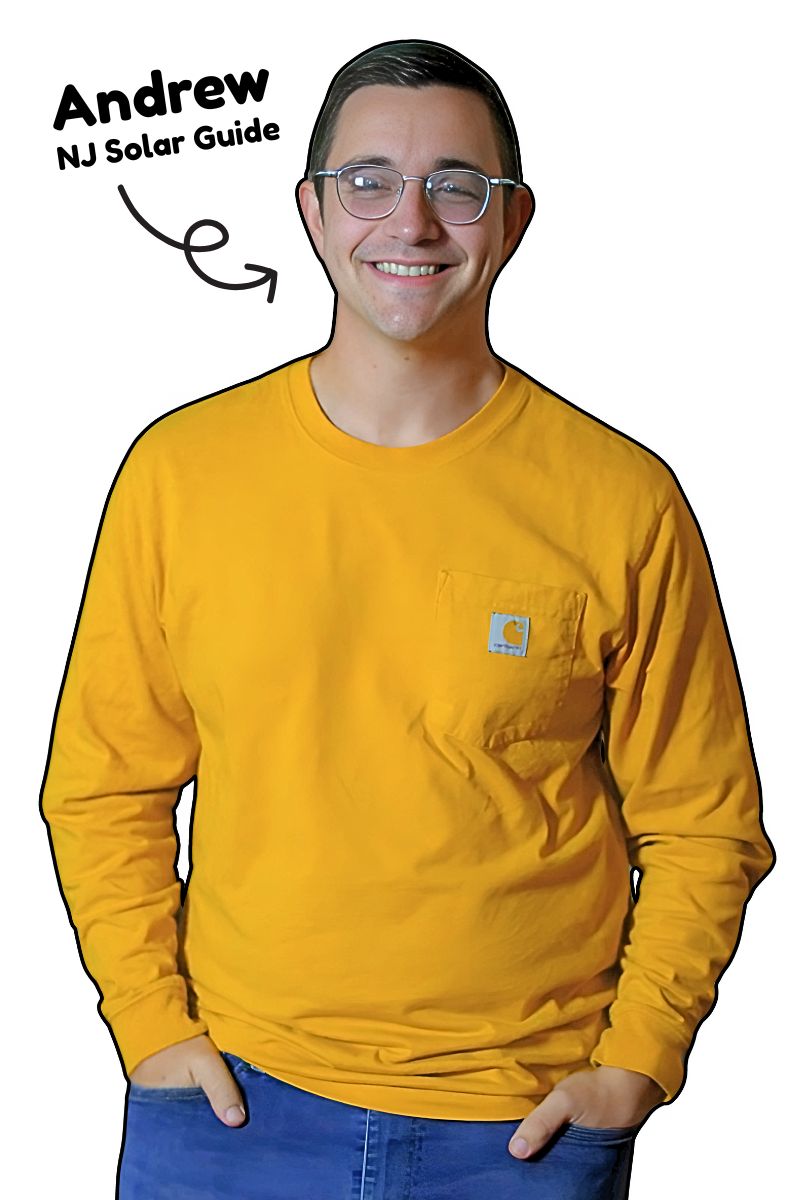
Reviewed & Fact-Checked by Andrew — Independent ReCheck Certified Solar Advisor.
Want to compare Cash vs. Loan vs. $0-Down Lease options for your roof? Request a Custom Rate Audit →
Purchasing (Cash or Loan) makes you the equipment owner. You directly collect state incentives (like SREC-II credits) and maximize long-term savings, but you are responsible for post-warranty maintenance. Leasing (Monthly or Pre-Paid) places equipment ownership and maintenance liabilities on a third-party solar provider. The provider claims commercial federal tax credits and passes those savings to you through lower electricity costs.
Both are $0-down third-party ownership options, but they bill differently:
• Solar Lease: You pay a fixed monthly "rent" for the solar equipment, regardless of weather or production fluctuations.
• PPA: You pay a set per-kilowatt-hour (kWh) rate only for the exact amount of electricity the panels generate each month.
The leasing or PPA provider is 100% responsible for system performance, 24/7 monitoring, inverter replacements, and physical repairs for the entire 20-to-25-year contract term at zero additional cost to you.
A Pre-Paid Lease allows you to pay for 20 to 25 years of solar power in a single upfront lump-sum payment (which can also be financed). Because the provider retains system ownership, they claim commercial federal tax credits and pass that value directly to you as a ~30% upfront price discount. You receive 20–25 years of electricity with zero ongoing monthly solar bills and zero repair liabilities.
Yes. Many pre-paid contracts feature an optional buyout clause around Year 5 or 6. After the provider satisfies federal tax holding requirements, equipment ownership can be transferred to the homeowner at Fair Market Value.
Solar panels last 25 to 30 years, so installing them on a roof near the end of its lifespan is not recommended. During our site assessment, we inspect your roof's structural integrity. If a new roof is required, the roof replacement cost can often be bundled into your solar financing or lease agreement so both projects are completed together.
If you need to re-roof down the line, a solar team will perform a "Removal & Replacement." The panels are safely uninstalled, stored during roofing work, and re-installed once your new roof is complete. Many lease agreements include low fixed rates or built-in allowances for one Detach & Reset procedure during the contract term.
Under New Jersey net metering regulations, excess electricity generated by your solar system during sunny hours flows back into the public grid. Your utility company credits your account 1:1 for this excess generation to offset grid power consumed at night or during winter months.
Grid-tied solar systems automatically shut down during utility power outages to protect line repair workers. To maintain power during blackouts, systems can be integrated with battery backup solutions like the Tesla Powerwall.
Free 15-minute utility audit with Andrew • Zero pressure